0%
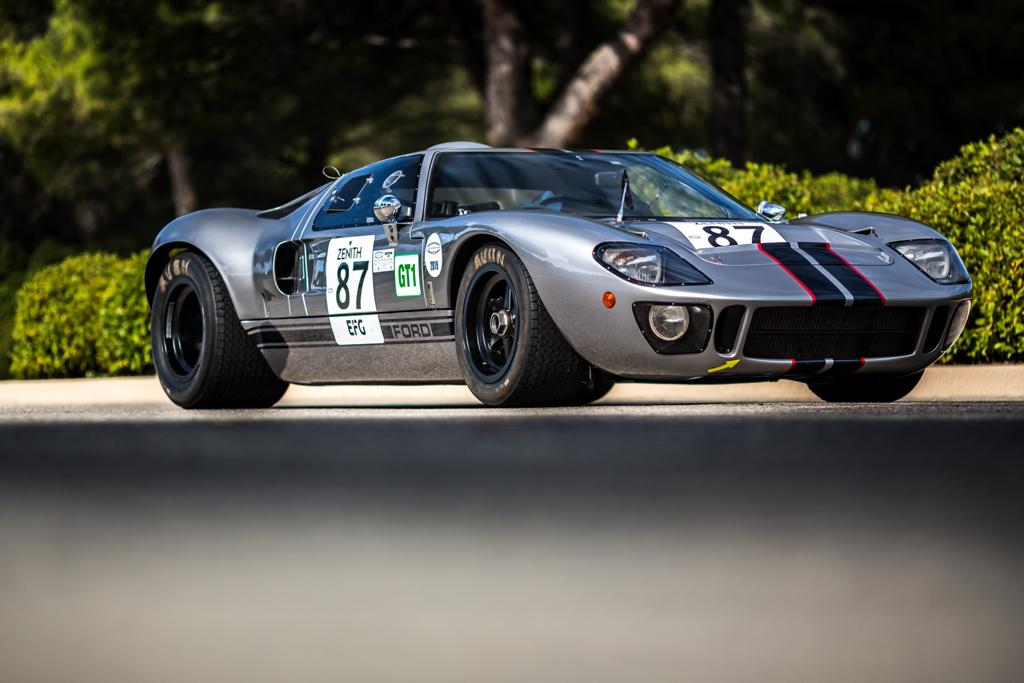
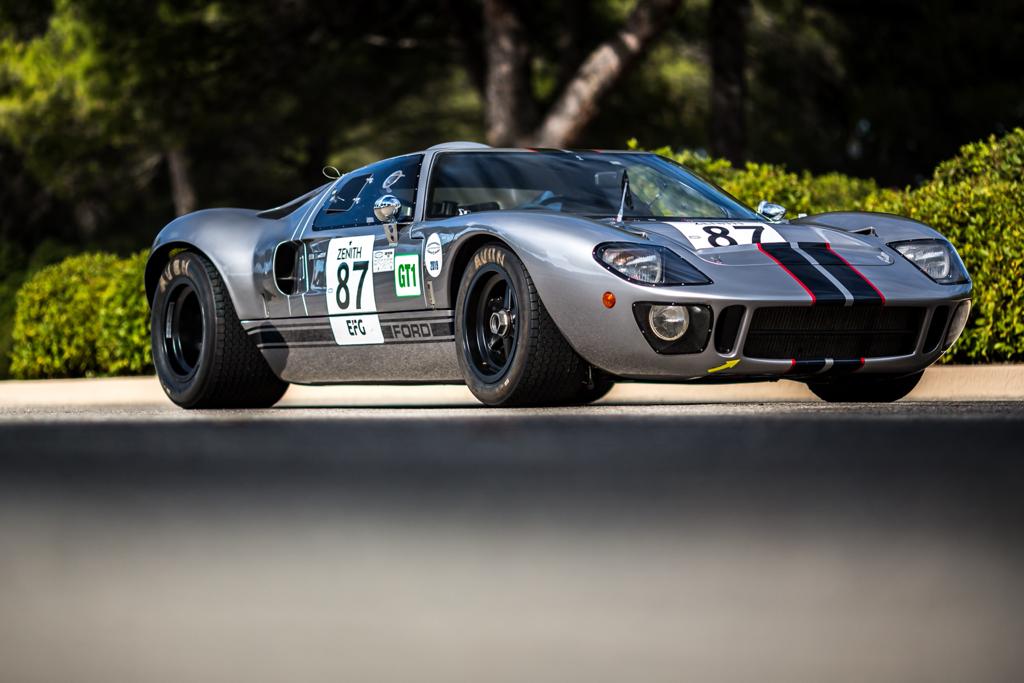
The Ford GT40 is a legendary race car born from Ford Motor Company's ambition to dominate endurance racing in the 1960s. Its development was driven by Ford's rivalry with Ferrari, sparked by a failed acquisition deal in 1963. Enraged by Enzo Ferrari's refusal to sell his company, Henry Ford II launched a program to defeat Ferrari at the prestigious 24 Hours of Le Mans.
Ford collaborated with British engineering company Lola Cars to create the GT40. The first prototype, the GT40 Mk I, debuted in 1964, featuring a lightweight chassis and a Ford V8 engine. While the early iterations of the car showcased potential, they suffered from reliability issues and failed to secure victories.
Determined to succeed, Ford invested heavily in refining the car. The GT40 Mk II emerged in 1966, boasting a more powerful 7.0-liter engine and improved durability. That year, Ford achieved its ultimate goal by dominating the 24 Hours of Le Mans, claiming the top three positions and ending Ferrari's six-year winning streak. The famous photo finish of Bruce McLaren and Chris Amon's car crossing the line ahead of the other GT40s solidified Ford's place in motorsport history.
Ford continued its dominance with victories at Le Mans in 1967, 1968, and 1969. Notably, the GT40 Mk IV, an all-American version built entirely in the U.S., won in 1967 with Dan Gurney and A.J. Foyt behind the wheel. The Mk I variant returned to win in 1968 and 1969, with the latter victory driven by Jacky Ickx and Jackie Oliver in a dramatic finish.
The GT40's success cemented Ford's reputation in racing and inspired the development of modern successors like the Ford GT. Today, the GT40 is celebrated as a masterpiece of engineering and perseverance, symbolizing Ford's determination to conquer the world's toughest endurance race and etching its name into automotive legend.
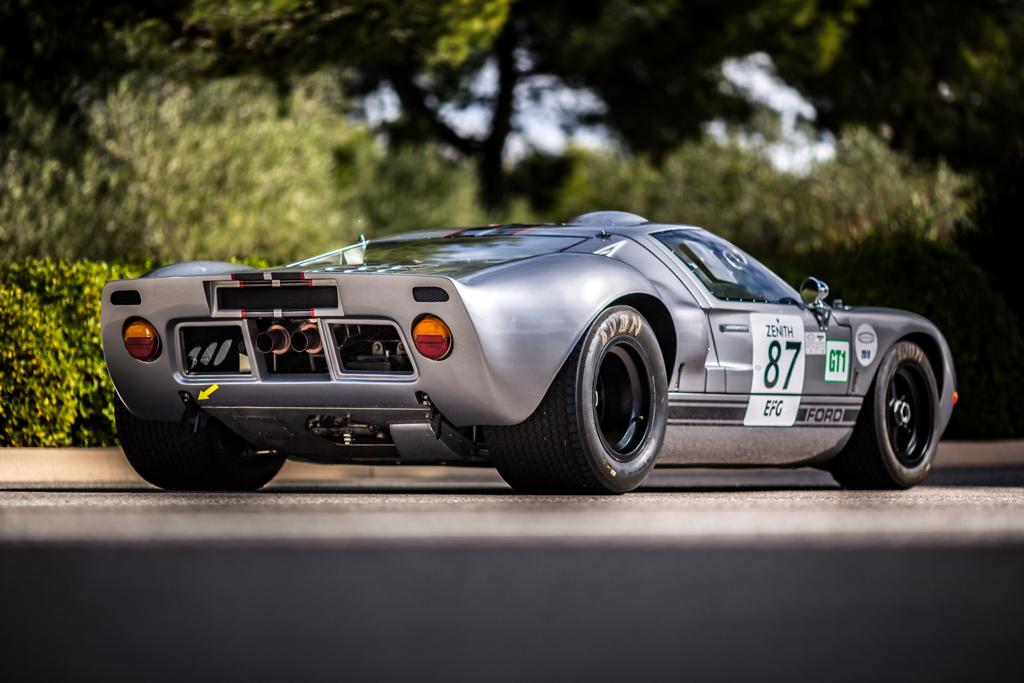
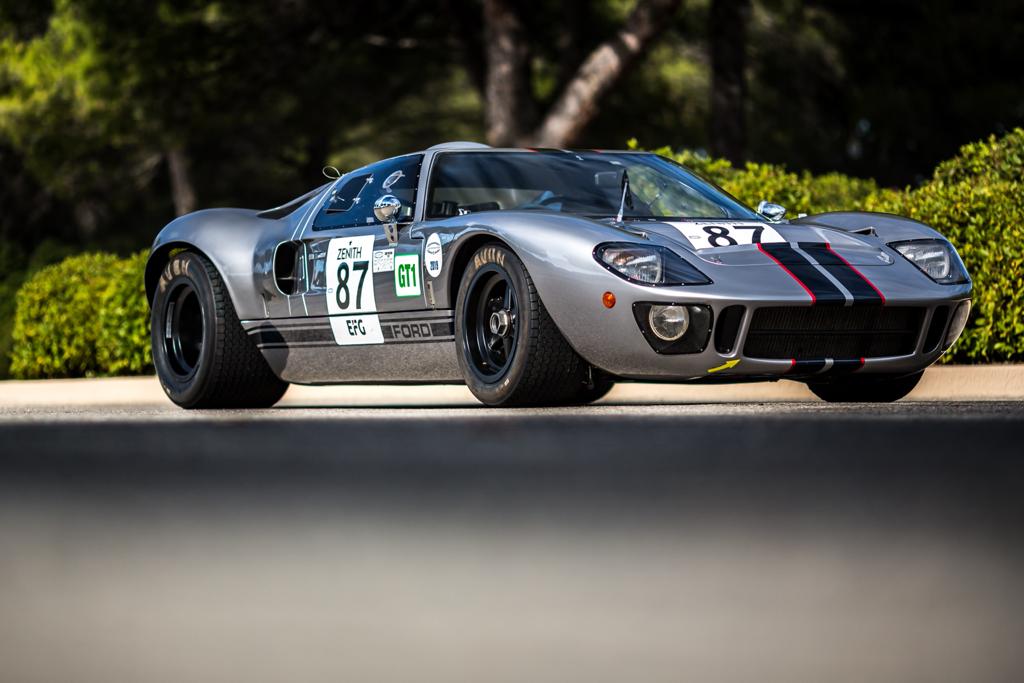
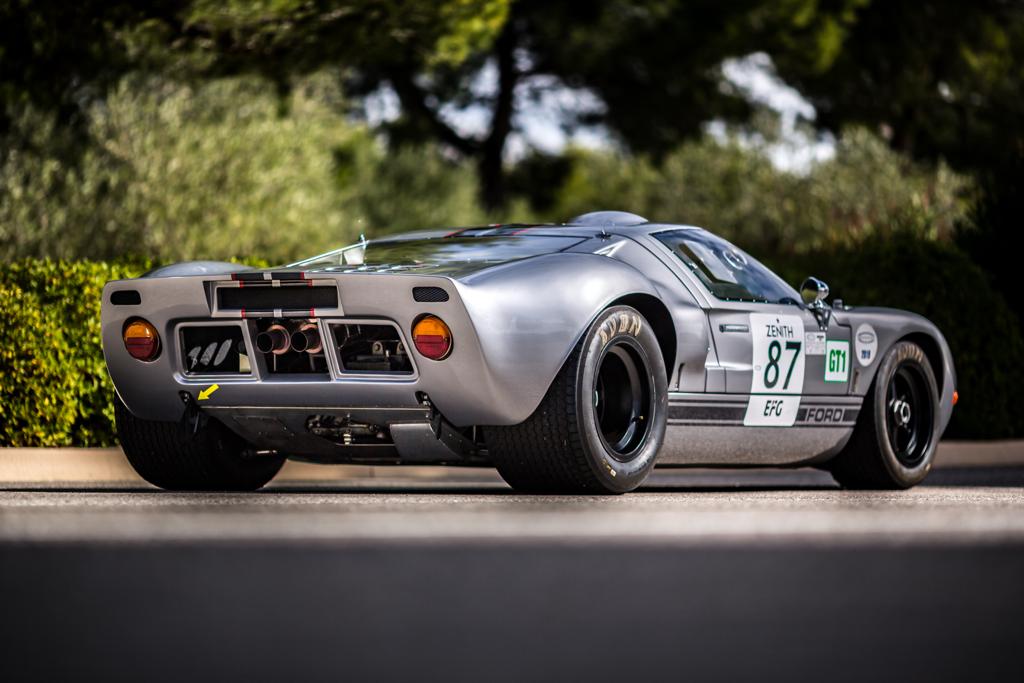
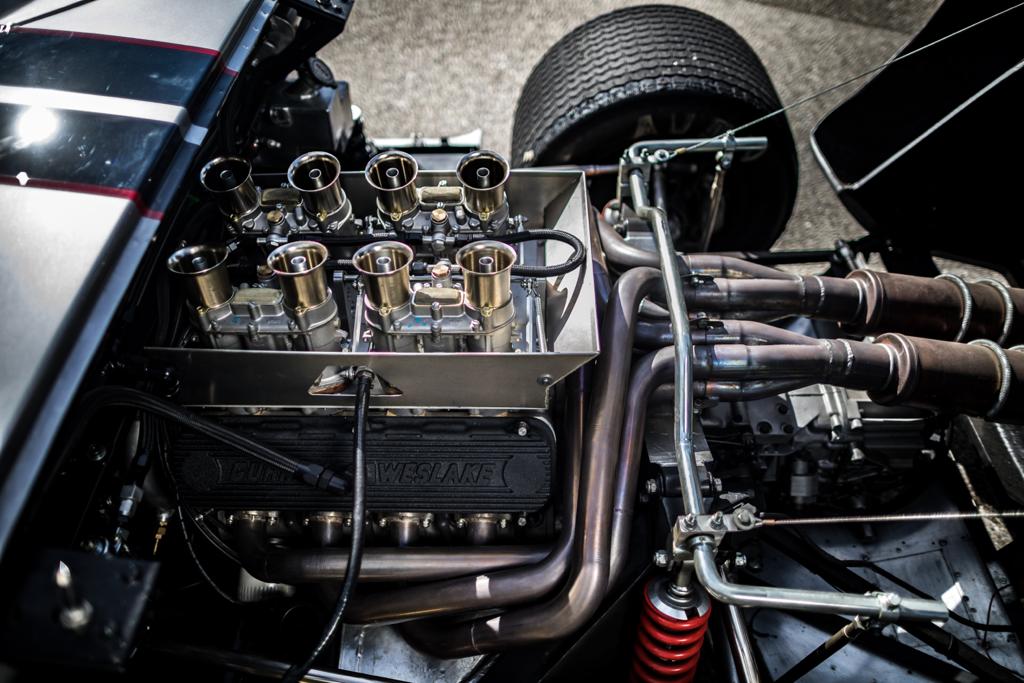
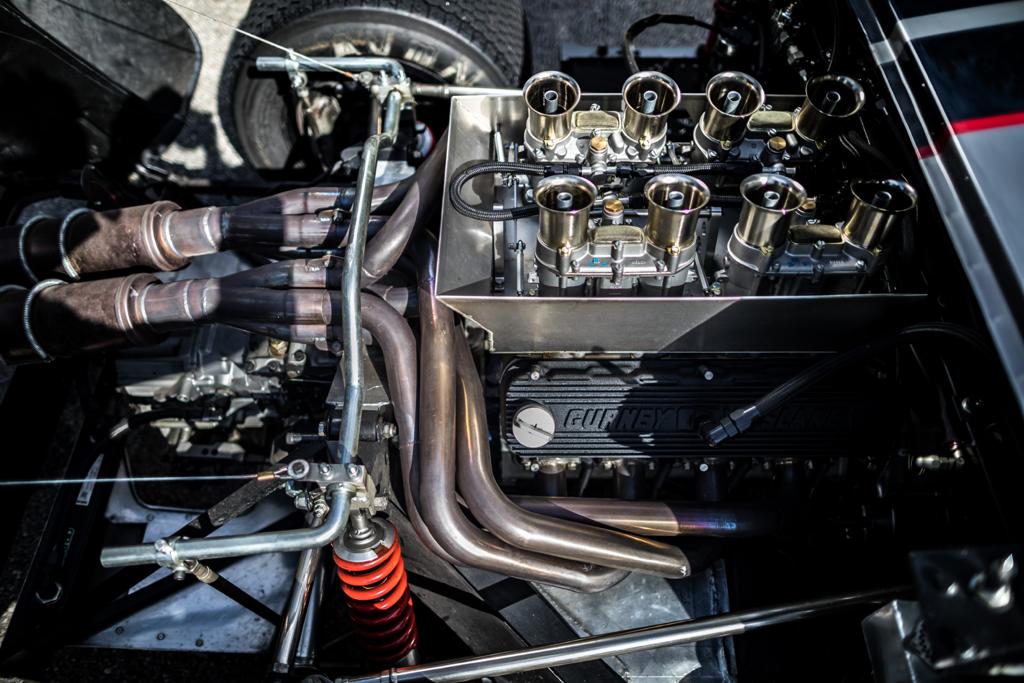
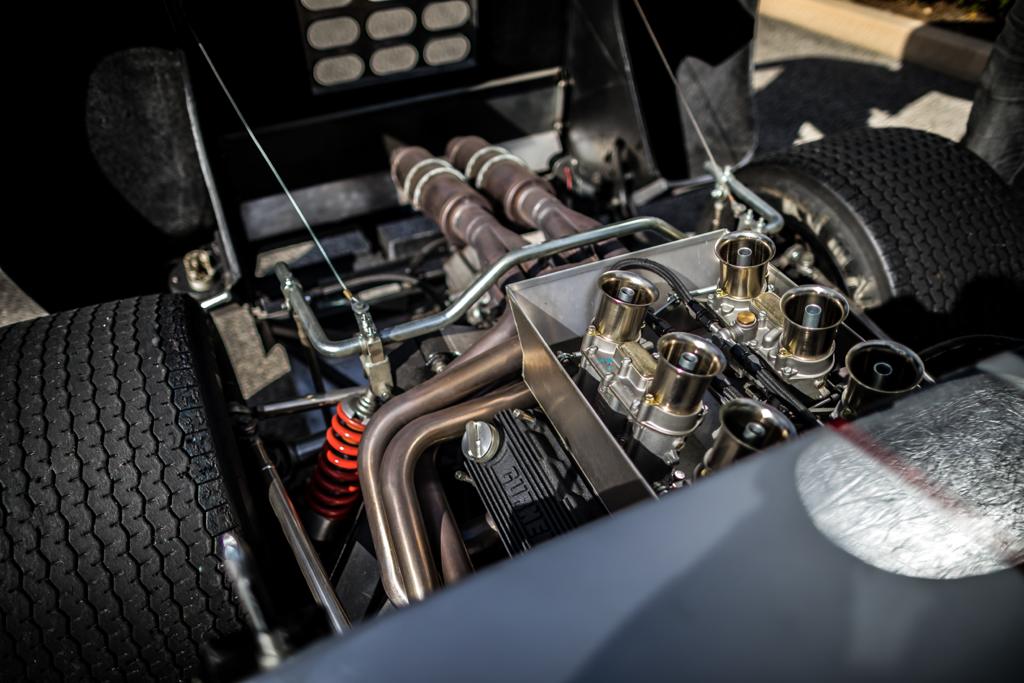
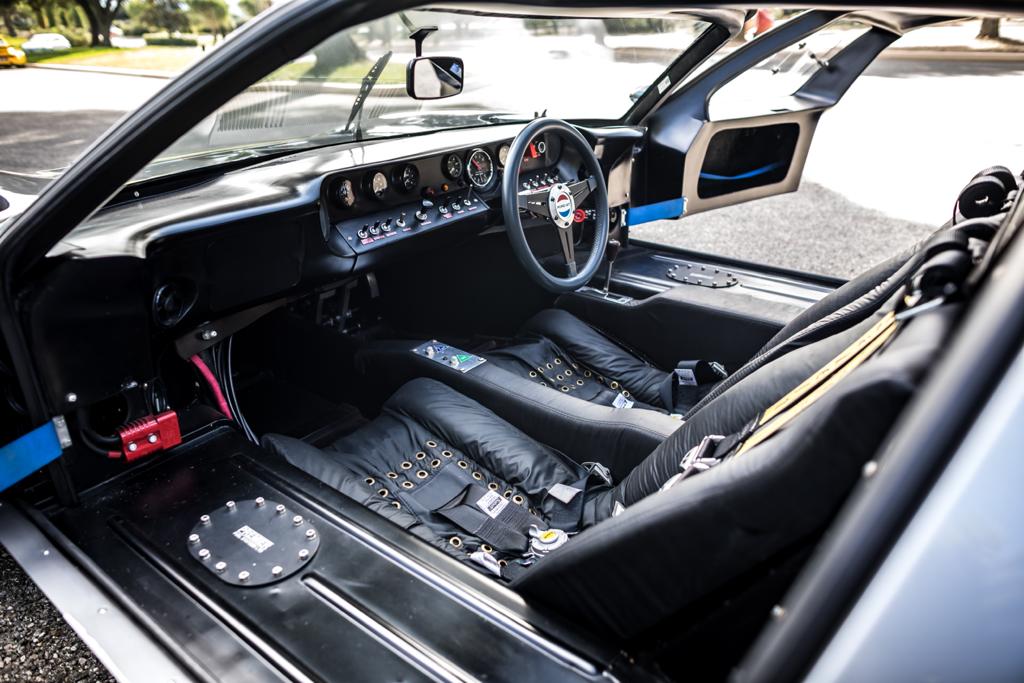
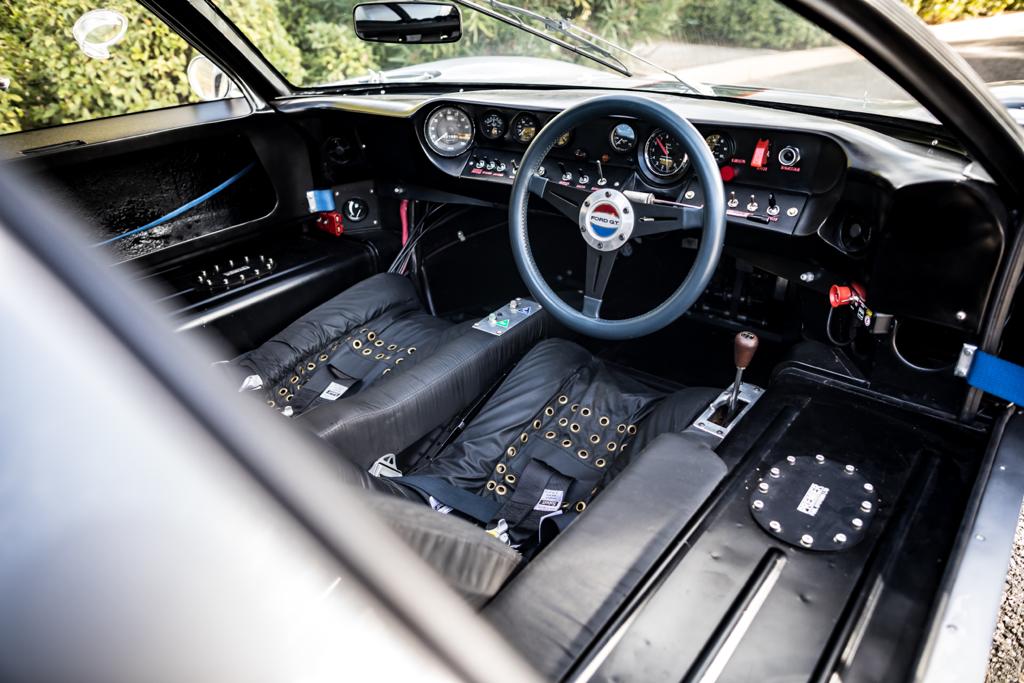
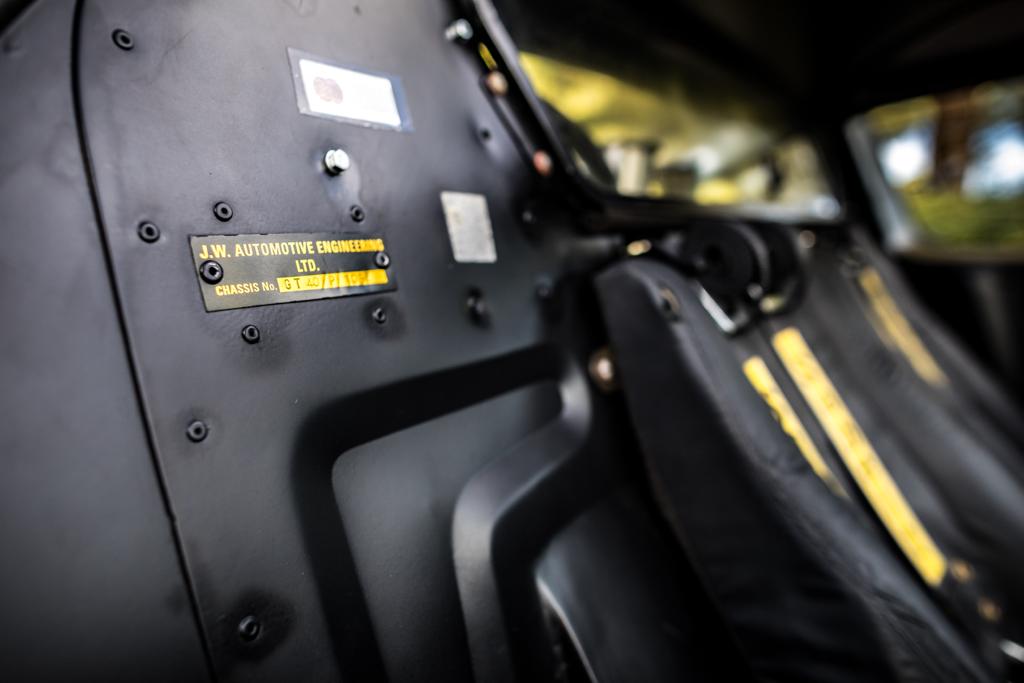
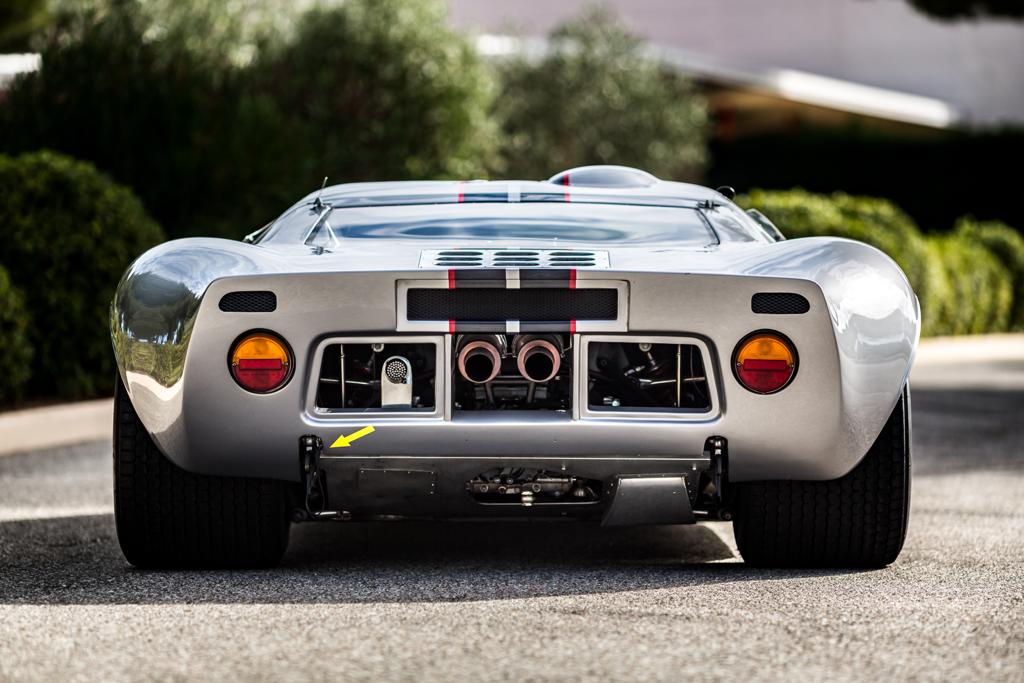
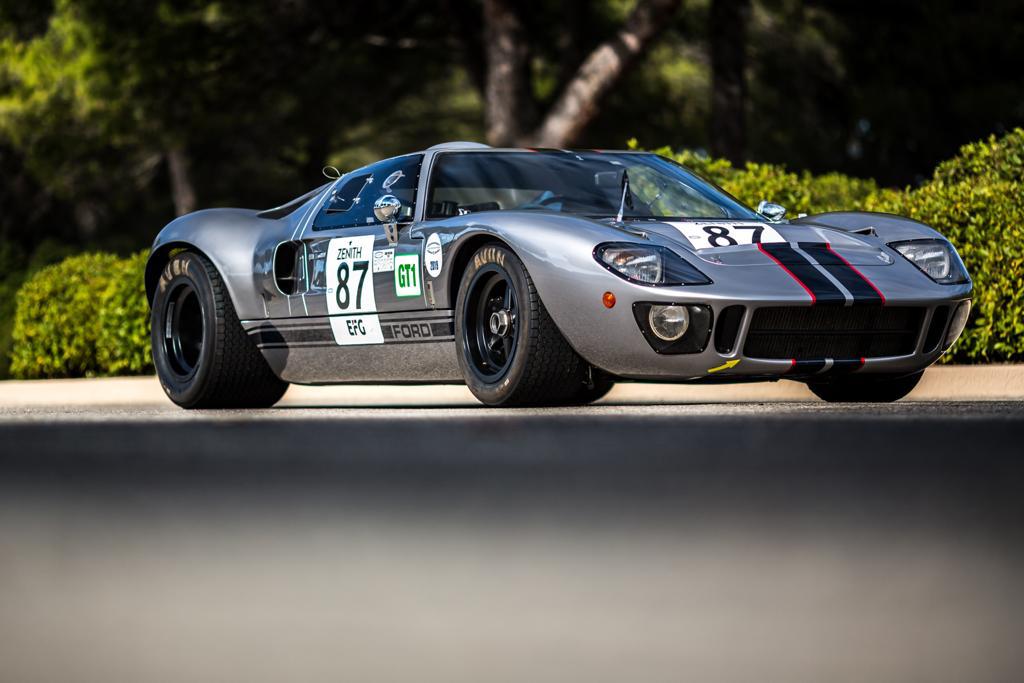
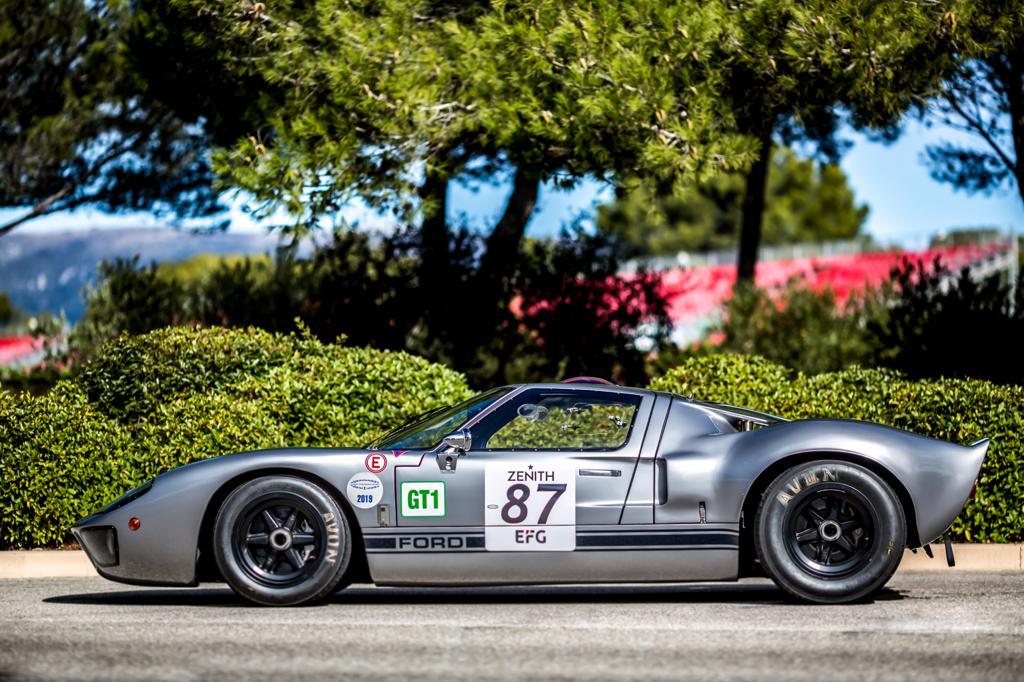
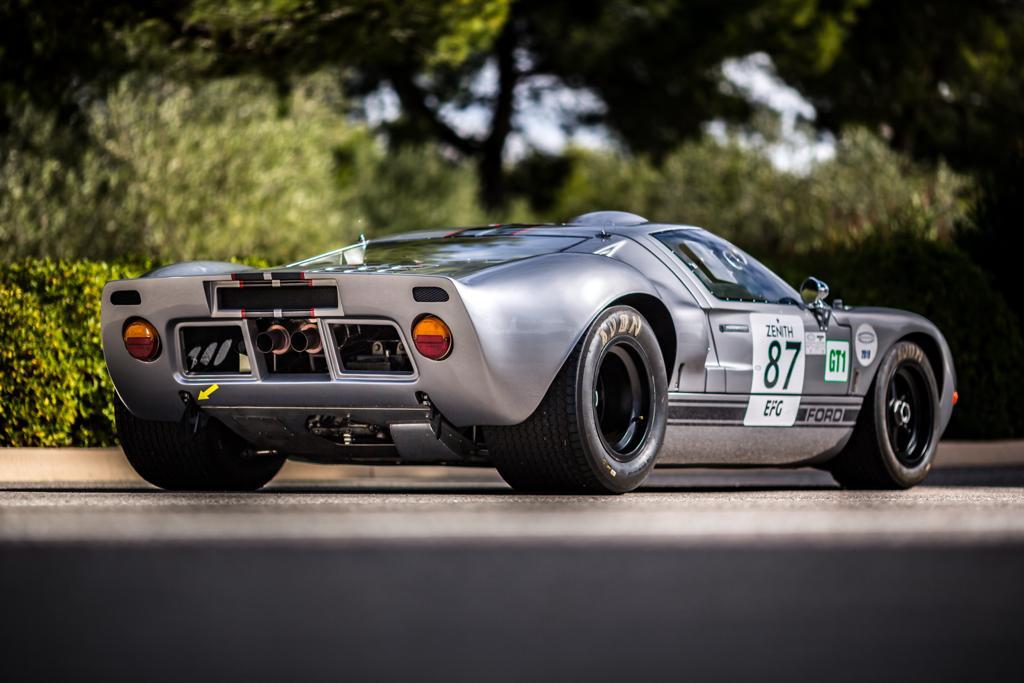
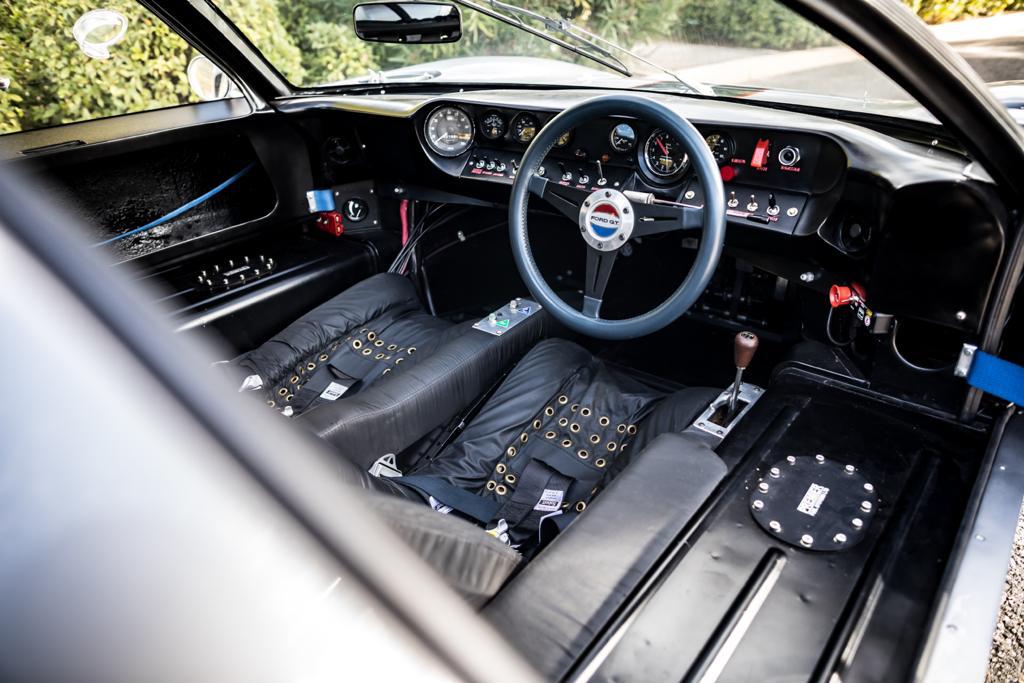
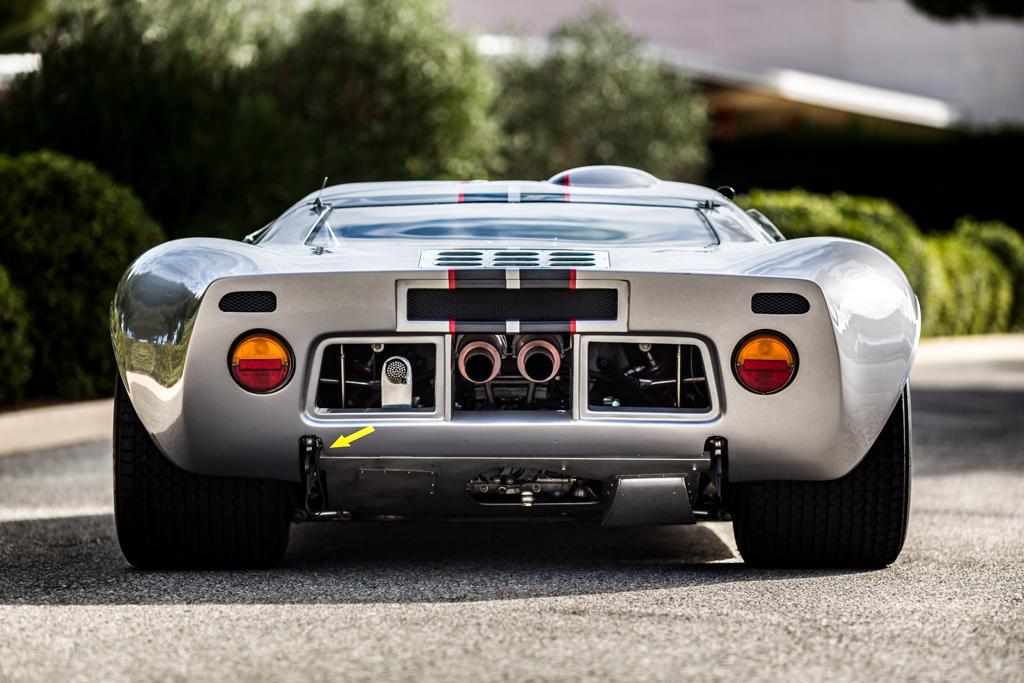
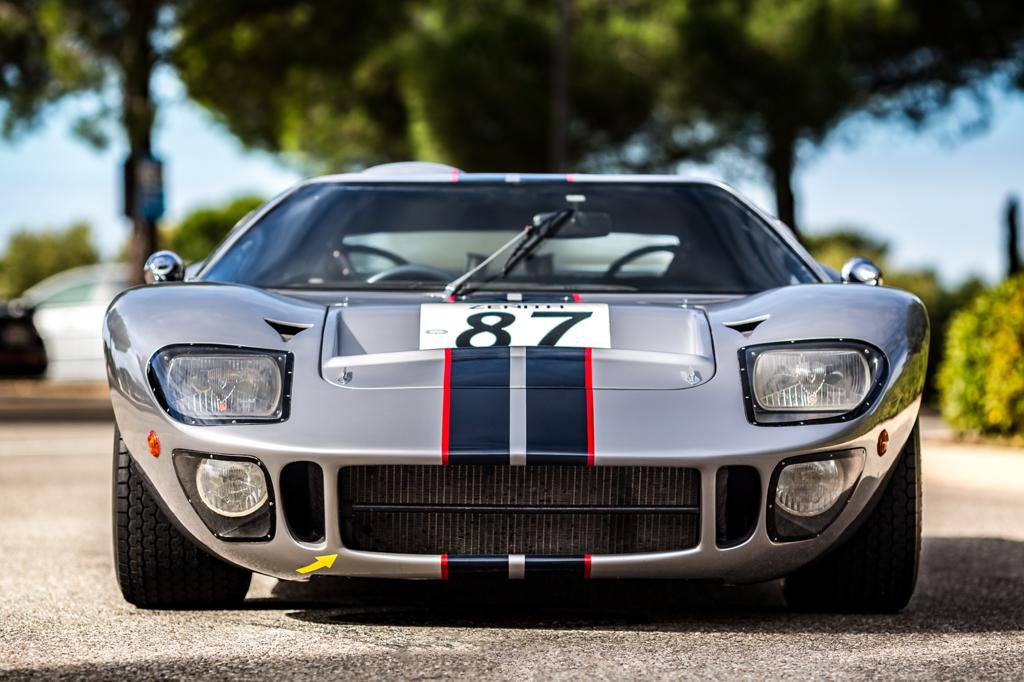
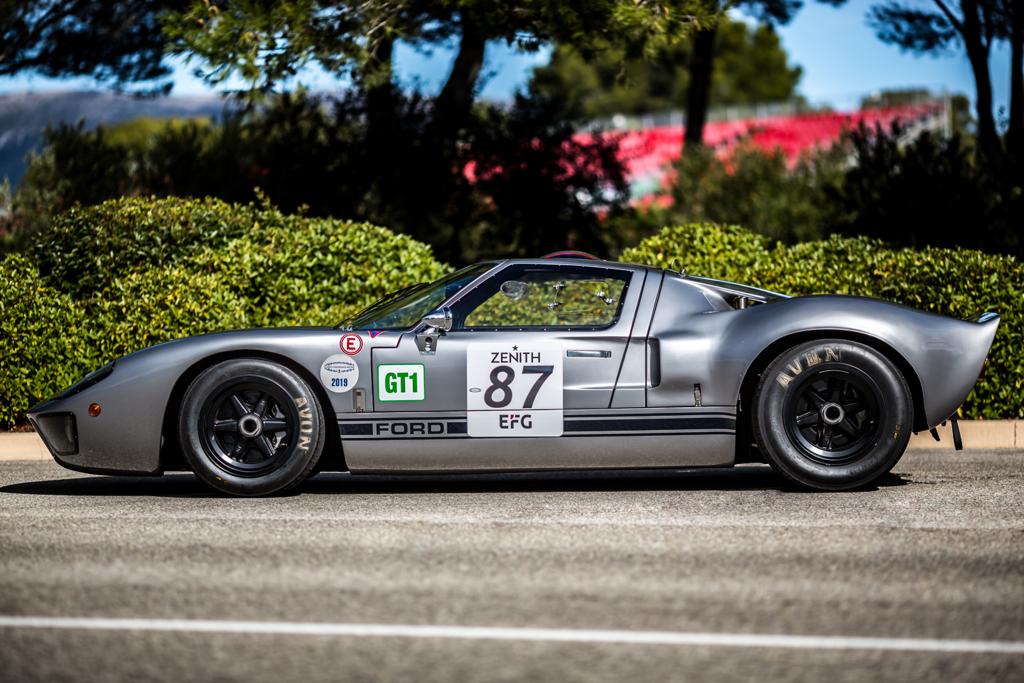
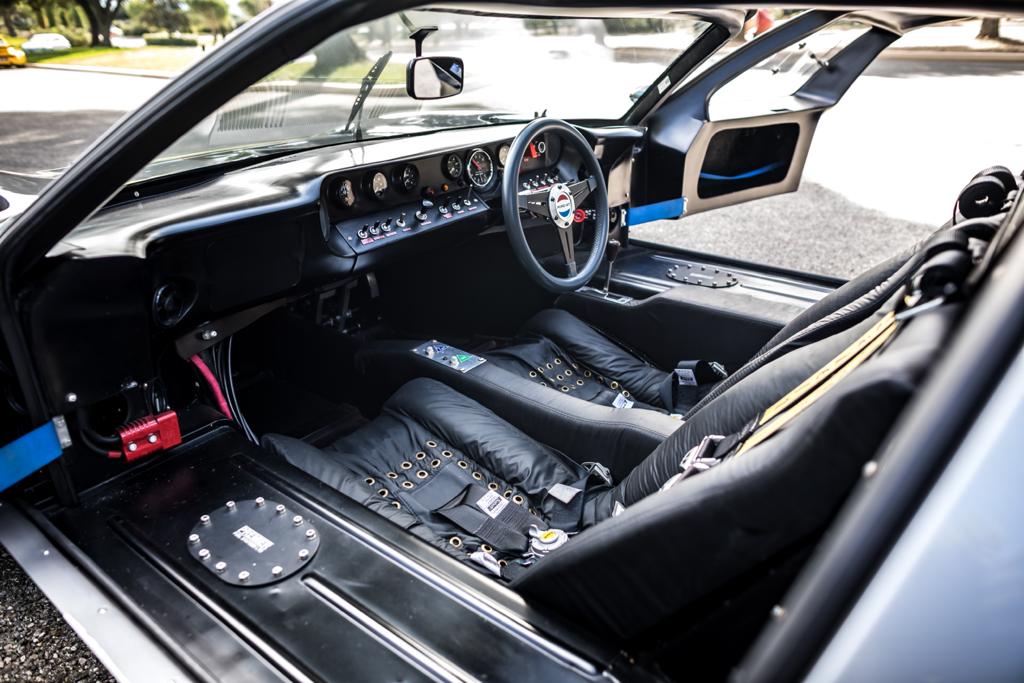
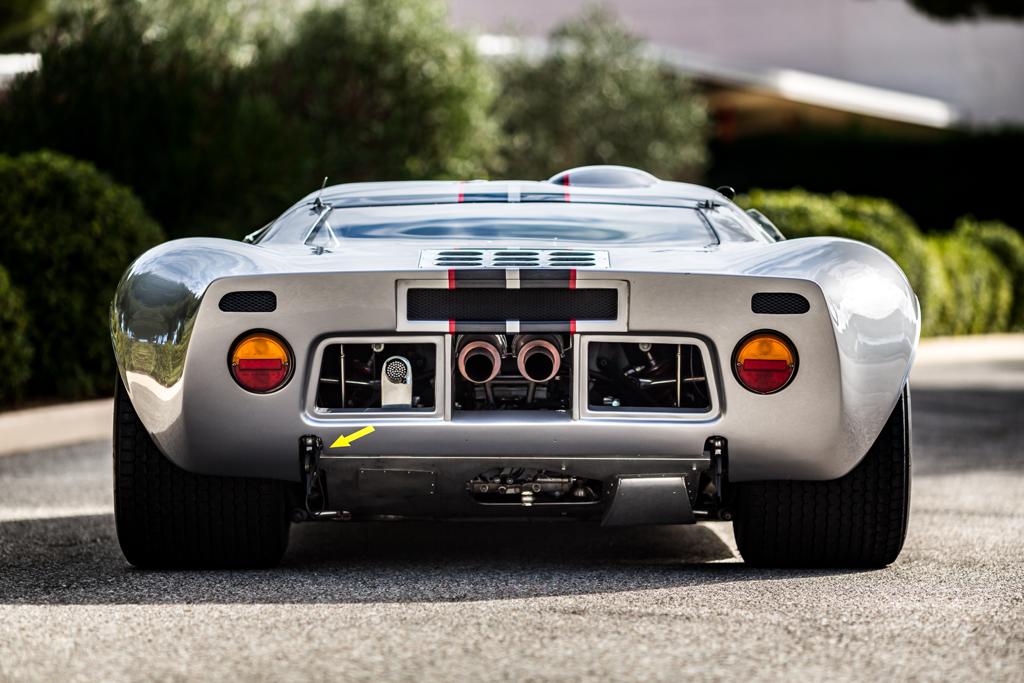
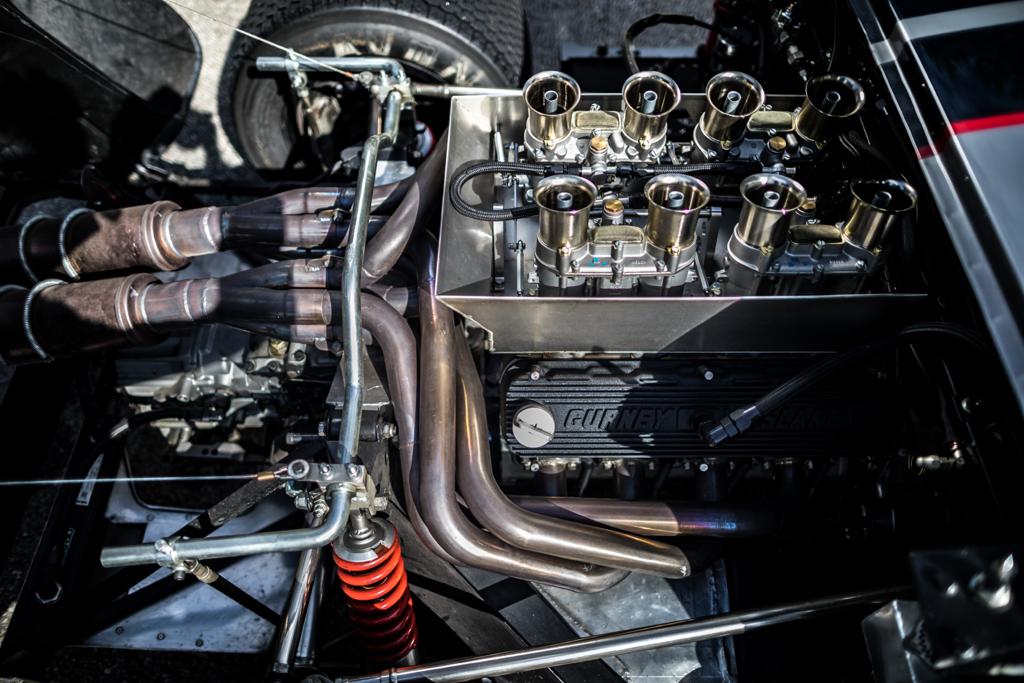
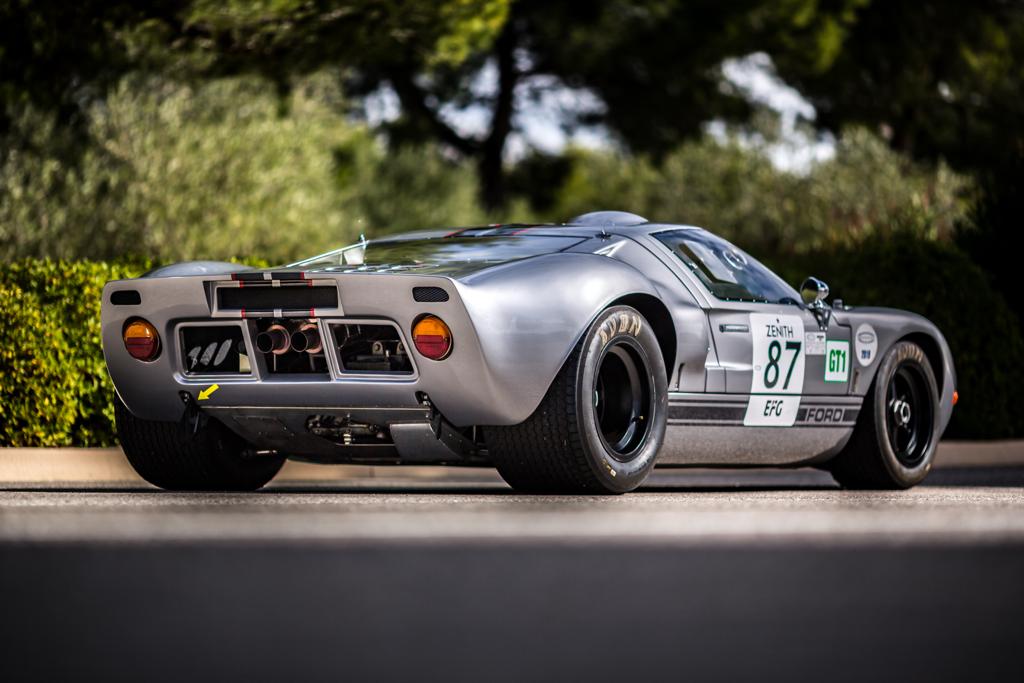
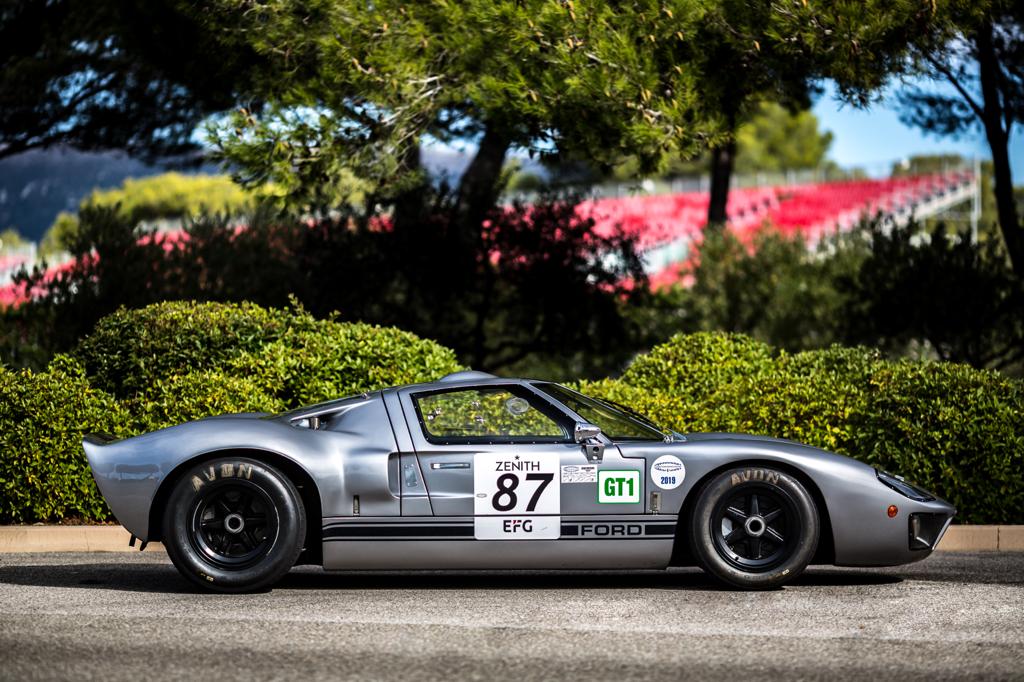
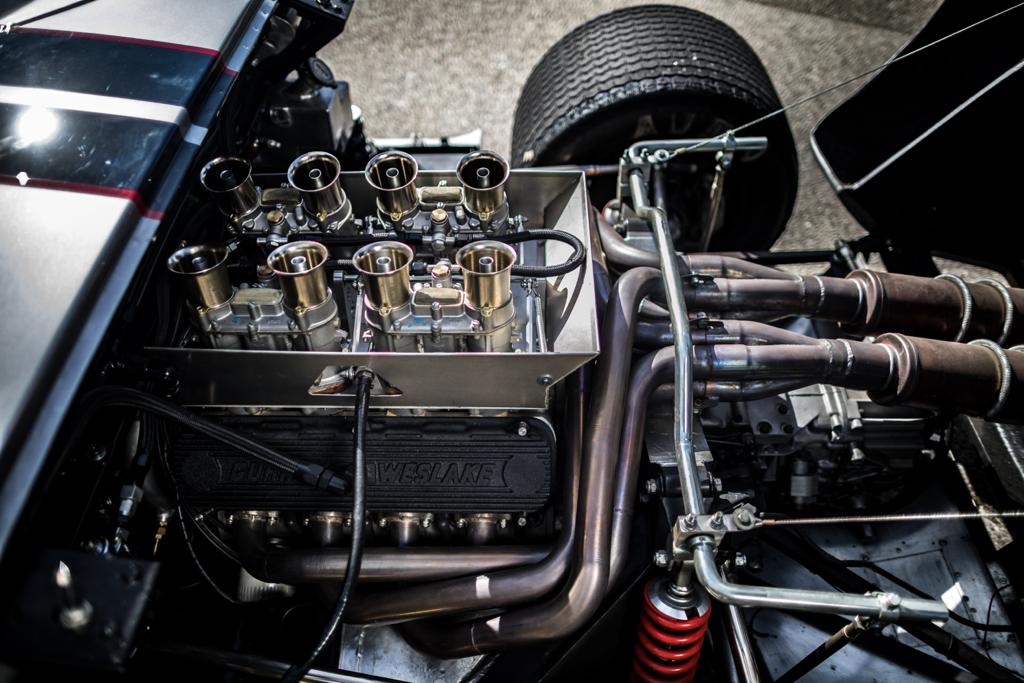
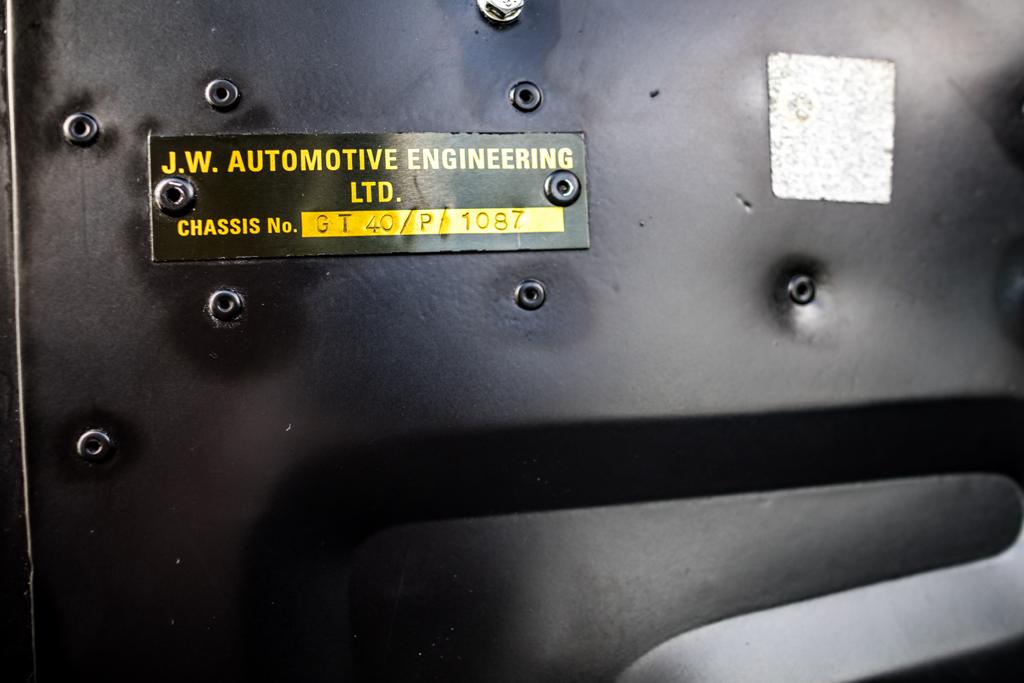
Ford GT40 chassis number P/1087 holds a unique place in automotive history. Originally slated for production between 1967 and 1969, it was one of three chassis (P/1087, P/1088, and P/1089) that remained unassembled when the GT40 program concluded. Built to the same technical specifications as the 1969 Le Mans cars. This amazing car is eligible and competitive in the world's most desirable vintage events. Having benefited from a recent, extensive restoration, it is a turn key podium contender.